And Then the Math Comes
What every spousal caregiver needs to know before the system puts a number on your home
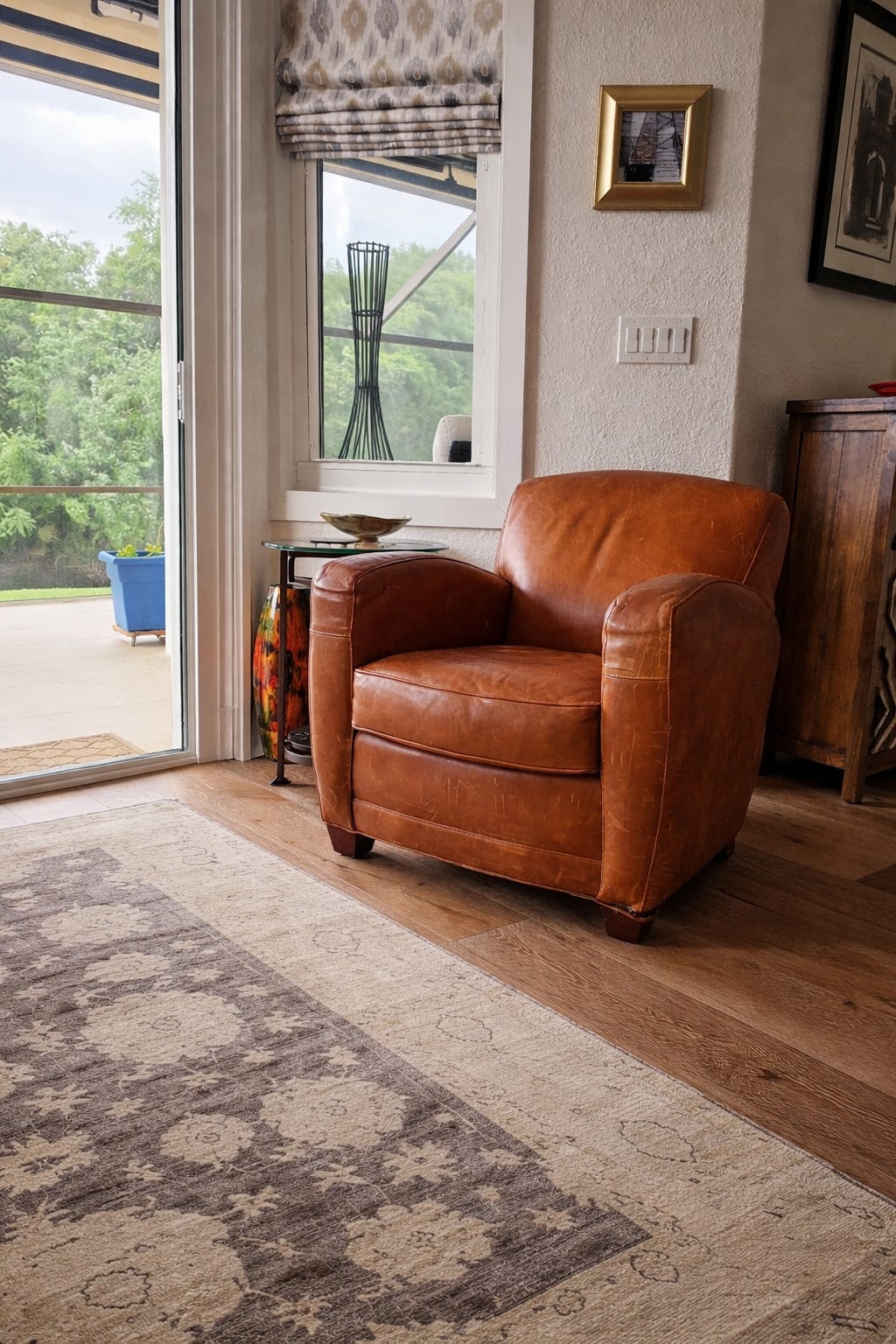
I used to stand, in the middle of the living room, which also happened to be the exact center of the house. I could see the rooms, the dining room to my right, the kitchen in front of me, and our bedroom behind. The sun was usually shining — this is Florida — and I could witness the brilliance of the blue sky through the windows. This house was the first house Lee and I bought together. The ones we lived in before either he or I had owned during a different life; this one was ours. This house, larger than the last one, seemed to know when we were arriving. Somehow any shadows disappeared, it was familiar and comfortable and — ours.
I stood there, in the middle of the house, and savored the space. This wasn’t the house where we raised a family, or had decades of memories, but all the same there was a powerful draw to it, as if it was already woven into our DNA. It felt permanent, ours forever. It was a part of us.
There is so much of our identity wrapped into the dwelling we call home. More than memories, it’s the space that we inhabit and inhabits us. After Lee moved into memory care, and when I had moved all my belongings, furniture and mementos, I could still stand in a doorway and feel a presence. Not a ghost — although I could picture Lee walking through the rooms — but rather a spatial awareness that this place had become part of me. It was in my DNA, a building block of where I belonged. I didn’t have to think how to relax, recharge or rest my soul, my body knew instinctively how to respond in these four walls.
Gaston Bachelard, in his book The Poetics of Space (1958), explores how intimate spaces — particularly the house — shape human consciousness, memory, and dreams. The house and its rooms, doorways, attic, basement, windows, become metaphors for the self, giving us permission to daydream, contemplate and connect deeply with our inner world. The book argues that inhabited space transcends mere geometry, becoming a fundamental part of our being.
Our house was not just where we lived, it was physically imprinted on us, as clearly as if it were a natural organism itself.
And then the disease comes. And then the math comes. And the house stopped being ours.
The system puts a number on the home.
A 2024 study found that about 61% of caregivers for individuals with Alzheimer’s or dementia reported financial strain — significantly higher than the 51% reported by caregivers for people without those conditions.
The legal system puts obstacles in the way also. Medicaid, while exempting a primary home from asset limits during the caregiver’s lifetime, has the right to recover funds spent upon the death of the patient. Bottom line: a spouse who has spent years as a full-time caregiver, who has given up employment and income and identity, may find that the home they sacrificed everything to keep is claimed by the state after their partner dies.
No one tells you this.
In my personal experience, I didn’t have to worry about the finances or keeping my home. But what if I did? M, who talked with me in detail about her journey both during and after, worried that if her husband lived on, it would drain their accounts and she would have to sell the family home to pay for memory care. After selling this tangible piece of her life story, where would she go, where would she live that provided an iota of the comfort her home did? (She did not have to sell her home and still lives there, comfortably.)
Caregiving takes everything — your time, energy, creativity, planning, patience, in some cases your health, the list goes on. And now, it’s going to take your home.
Really.
What is home, anyway?
It’s floor plan and location and finishes, yes. But going deeper: no matter what your home is to you — a stopping point between trips, all things family, somewhere in between — what I know is that you have to love it every time you walk in the door. It has a hold on you. And when you are a caregiver, it holds you differently. It holds you upright.
After the caregiving journey, the question shifts. Where do you belong?
For a long time, home was where I cried, grieved, and simply existed. Slowly, it became something else. A refuge. A place to create, recharge, plan, and rest. A springboard for who I’m going to become.
I still stand in the middle of the living room sometimes.
If you are in the caregiving journey, protect yourself before the math arrives. Talk to an estate attorney now, before you need one. Understand exactly what Medicaid can and cannot touch. Make sure the Durable Power of Attorney is in order and that everyone in the care system knows you are the decision-maker.
The house may be at risk. Your belonging is not.
Vicki.
I was a caregiver for my husband with Alzheimer’s. I write about Belonging to Self, Community and Home, both during and after caregiving.
If this would be of value to you to hear more about how I restored my sense of community after 4 years of caregiving, Subscribe to Vicki’s Substack, “The Tender Warrior.”