I Joined a Book Club
One small, deliberate step back into community—helped me remember who I was and that I still belonged.
One of the most important lessons I learned about reconnecting to community:
I was a caregiver of a husband with Alzheimers for 4 years and lost sense of who I was along the way.
I write to help others who feel isolated in losing the love of their life To find a sense of belonging after.
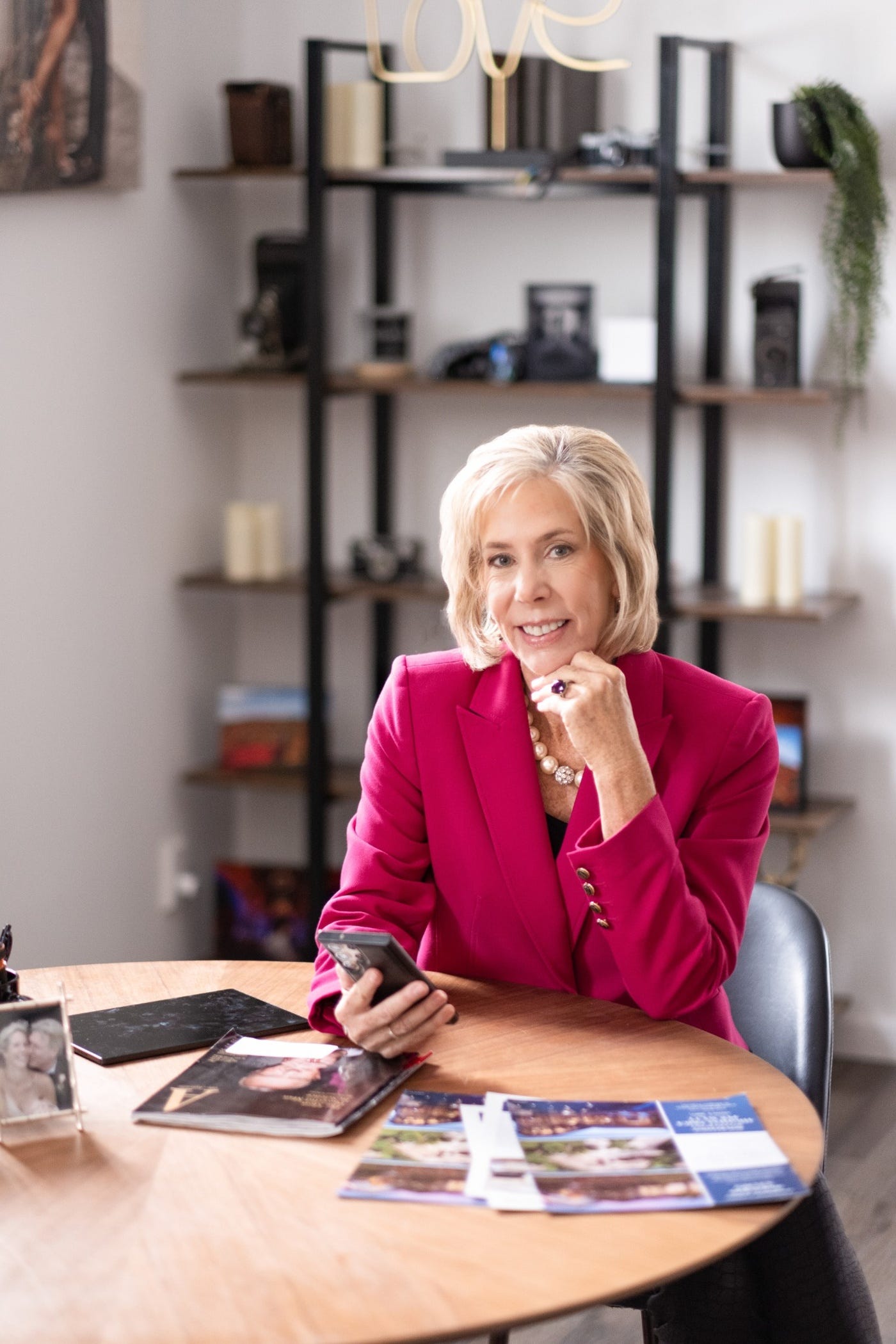
Each small step matters.
Caregiving compresses your world. It can quietly isolate you.
When my husband was initially diagnosed with Alzheimer’s in early 2022, we still lived a fairly normal life.
But a year later, he was increasingly dependent on me.
It was beginning to crush me.
We could no longer enjoy the activities we once shared—golf, dinners with friends, travel, working on house projects. All the small things we took for granted that connected us to friends, family, and community were slipping away.
The people we’d have monthly dinners with stopped calling to make plans. When I reached out to schedule something, the responses became “let’s take a rain check”—which really meant “it’s just too hard.”
My life had quietly shifted from ‘wife’ and companion to ‘constant caregiver.’ And somewhere in that transition, I lost all sense of — me.
I wasn’t just grieving my husband’s decline. I was grieving a total loss of identity. I was grieving losing my partner.
And I was grieving this enormous loss of belonging to a community that fed us, dined with us, and gave of their time to us.
The US Surgeon General has declared an “epidemic of loneliness and isolation.” A Harvard study concluded that the No. 1 factor in a longer, healthier, happier life is not diet or exercise, but a positive and consistent connection to community. The study finds that people who feel lonely or isolated are at increased risk for developing coronary artery disease, stroke, depression, high blood pressure, declining thinking skills, an inability to perform daily living tasks, or an early death. It goes on to list ways to combat loneliness (I’ve highlighted in red the ones that worked for me in those days of caregiving):
Connect meaningfully with family and friends in a way that works best for you: whether by phone, via video chat, or even by talking with your neighbors across the fence or in a park.
Be thankful. Loneliness can lead people to focus on themselves and their hardships. Aim to express appreciation toward friends, family, and strangers.
Focus on what you can change. Spending time dwelling on your current situation can perpetuate loneliness; rather, focus your attention on something within your control and work at it.
Enjoy being busy. Complete a chore, spend time writing, find a new hobby, or just allow yourself to delve into a new activity.
Remove negativity and smile. Surround yourself with people and activities that bring you joy. Consider taking a break from the news, or at least limiting your consumption. Just the act of smiling can make you feel better.
Be kind, understanding, and patient. Work on treating yourself and others with compassion. Engaging in pleasurable interactions can also help those around you, and may result in deeper connections.
Develop a routine that provides balance and familiarity. Create a daily plan that includes physical activity, time for connecting with loved ones, a project or hobby, and a relaxing pleasure.
Start with one small step. Reach out in ways that fit your life now.
In that tough season of life, I did one very courageous thing to manage the pressure:
I joined a book club.
It sounds small, but it wasn’t. It forced me to read. To think. To leave the house for a few hours each month and sit in conversation. We discussed things.
Themes. Characters. Plot lines.
Reading fiction offers real health benefits. Your heart rate slows, breathing deepens and becomes more regular, and muscle tension decreases. This focused attention shifts your nervous system from “fight-or-flight” mode toward “rest-and-digest.” How Reading Books Regulates Your Nervous System.
Any group activity—structured or not—restored my sense of belonging to something bigger.
For a couple of hours, I wasn’t a caregiver. I was Vicki again.
That mattered—and it made a huge difference in how I looked at my life.
A book club—one small, deliberate step back into community—helped me remember who I was and that I still belonged.
If this would be of value to you to hear more about how I restored my sense of community after 4 years of caregiving, Subscribe to Vicki’s Substack, “The Tender Warrior”
I share 7 Ways To Find Joy Again (whether you have 1 minute or 1 hour).


Thanks, Vicki! I am so thankful that you are part of my meaningful community! I can smile thinking about the laughs at Mahjong! Thank you!